


Then the great fraud began. The keepers of the gold started lending it, or receipts, out to others and charging interest. Even though they did not own it, they lent it out counting on the fact it was unlikely everyone would at once demand to redeem their certificates. Then the crown and the banks got in on the bonanza. This process has got so out of hand that today Canadian banks happily lend money with no reserves at all to back them up. The government no longer backs its currency with gold. However, because this all happened gradually, the house of cards did not collapse. People continued to believe in it because it worked on a day to day basis.
The magic of currency systems is that they work at all. If anyone looks closely at them, they see there is nothing holding them up. They work because people have faith in them and because people in general have no interest in the big picture. They don’t have inherent stability other than this faith. When the faith is shaken, they can quickly collapse.
Bank runs |
People lose confidence in a bank and withdraw their money all at once. Since the bank has the money out on loans, it can’t honour those withdrawals. Panic ensues and the bank has to close, possibly rescued by some central insurance bank that absorbs the run and restores confidence. |
Inflation |
In Germany somebody thought a great way to finance public debt would be to print money. There was no need to raise taxes. Of course, this lead to an inflation spiral. Eventually people lost confidence in the monetary system and used currency as wallpaper. The people reverted to using barter, cigarettes and nylons became the units of currency. |
Monopoly |
When you play the board game Monopoly, people fight desperately with each other over the play money. When one player wins all the money, the game ends and the money again is treated just as coloured paper of no particular value. Similarly in Argentina when the banks won all the money, the people abandoned the official currency and started using their own local currencies. |
Disaster |
In a major natural disaster, what you need is food, water and shelter. Your credit card is utterly useless. Cash is only good for starting fires. |
Devaluation |
International currencies are bought and sold each day. The daily price (exchange
rate) is determined, as in all other commodities, by supply and demand. Any of
the following can depress the value of a currency:
|
This is roughly the problem an individual faces whose savings are in the currency of some poor country in tough times. He can’t spend them. He needs a hard currency that others value.
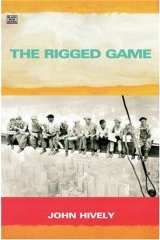 |
recommend book⇒The Rigged Game: Corporate America and A People Betrayed | |||||||||||||||||||||||||||||||||||||||||||||||||||||||
| by | John Hively | 978-1-55164-280-2 | paperback | |||||||||||||||||||||||||||||||||||||||||||||||||||||
|---|---|---|---|---|---|---|---|---|---|---|---|---|---|---|---|---|---|---|---|---|---|---|---|---|---|---|---|---|---|---|---|---|---|---|---|---|---|---|---|---|---|---|---|---|---|---|---|---|---|---|---|---|---|---|---|---|
| publisher | Black Rose | 978-1-55164-281-9 | hardcover | |||||||||||||||||||||||||||||||||||||||||||||||||||||
| published | 2006-07-15 | |||||||||||||||||||||||||||||||||||||||||||||||||||||||
| This is a book about how a tiny wealthy elite, through corporations, have absconded with a larger and larger share of the wealth from the working people. It also analyses the consequence of doing this to excess, such as happened in the Great Depression. To boost dividends, corporations lay off employees, outsource or reduce wages. The wealthy who now have the lion’s share of the money don’t buy more food, stereos etc. They invest their wealth. So over all, when many corporations do this at once, demand for goods collapses and the economy goes into recession. Similarly, to boost dividends, co-operating so-called competitors simultaneously raise their prices. This is the opposite of what you normally do in times of slowing sales. The strategy lowers demand even further, in a vicious downward spiral. | ||||||||||||||||||||||||||||||||||||||||||||||||||||||||
| ||||||||||||||||||||||||||||||||||||||||||||||||||||||||
| Greyed out stores probably do not have the item in stock. Try looking for it with a bookfinder. | ||||||||||||||||||||||||||||||||||||||||||||||||||||||||
 |
This page is posted |
http://mindprod.com/money/moneyvapour.html |
Optional Replicator mirror
|
J:\mindprod\money\moneyvapour.html | |
 |
Please read the feedback from other visitors,
or send your own feedback about the site. Contact Roedy. Please feel free to link to this page without explicit permission. | |
| Canadian
Mind
Products
IP:[65.110.21.43] Your face IP:[216.73.216.227] |
| |
| Feedback |
You are visitor number | |


