


 |
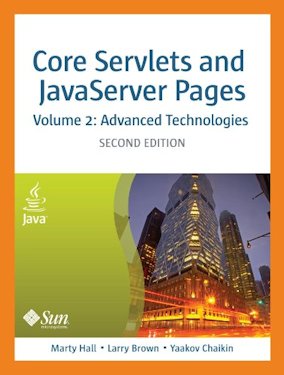
recommend book⇒Core Servlets and Javaserver Pages: Advanced Technologies, Vol. 2, second edition | |||||||||||||||||||||||||||||||||||||||||||||||||||||||
| by | Marty Hall, Larry Brown, Yaakov Chaikin | 978-0-13-148260-9 | paperback | |||||||||||||||||||||||||||||||||||||||||||||||||||||
|---|---|---|---|---|---|---|---|---|---|---|---|---|---|---|---|---|---|---|---|---|---|---|---|---|---|---|---|---|---|---|---|---|---|---|---|---|---|---|---|---|---|---|---|---|---|---|---|---|---|---|---|---|---|---|---|---|
| publisher | Prentice Hall | 978-0-13-271568-3 | eBook | |||||||||||||||||||||||||||||||||||||||||||||||||||||
| published | 2007-12-01 | B004YWAZFA | kindle | |||||||||||||||||||||||||||||||||||||||||||||||||||||
| Complete text of the book available on line in pdf format. | ||||||||||||||||||||||||||||||||||||||||||||||||||||||||
| ||||||||||||||||||||||||||||||||||||||||||||||||||||||||
| Greyed out stores probably do not have the item in stock. Try looking for it with a bookfinder. | ||||||||||||||||||||||||||||||||||||||||||||||||||||||||
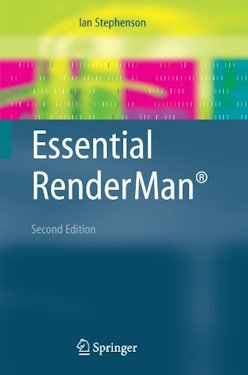 |
recommend book⇒Essential RenderMan, second edition | |||||||||||||||||||||||||||||||||||||||||||||||||||||||
| by | Ian Stephenson | 978-1-84628-344-4 | paperback | |||||||||||||||||||||||||||||||||||||||||||||||||||||
|---|---|---|---|---|---|---|---|---|---|---|---|---|---|---|---|---|---|---|---|---|---|---|---|---|---|---|---|---|---|---|---|---|---|---|---|---|---|---|---|---|---|---|---|---|---|---|---|---|---|---|---|---|---|---|---|---|
| publisher | Springer | 978-1-84628-800-5 | eBook | |||||||||||||||||||||||||||||||||||||||||||||||||||||
| published | 2007-06-26 | |||||||||||||||||||||||||||||||||||||||||||||||||||||||
| RenderMan is the C-based tool that Pixar uses for rendering animations and special effects. Oddly B&N charges more for the eBook than for the paperback. | ||||||||||||||||||||||||||||||||||||||||||||||||||||||||
| ||||||||||||||||||||||||||||||||||||||||||||||||||||||||
| Greyed out stores probably do not have the item in stock. Try looking for it with a bookfinder. | ||||||||||||||||||||||||||||||||||||||||||||||||||||||||
 |
recommend book⇒More Servlets and Java Server Pages | |||||||||||||||||||||||||||||||||||||||||||||||||||||||
| by | Marty Hall | 978-0-13-067614-6 | paperback | |||||||||||||||||||||||||||||||||||||||||||||||||||||
|---|---|---|---|---|---|---|---|---|---|---|---|---|---|---|---|---|---|---|---|---|---|---|---|---|---|---|---|---|---|---|---|---|---|---|---|---|---|---|---|---|---|---|---|---|---|---|---|---|---|---|---|---|---|---|---|---|
| publisher | Pearson Education | |||||||||||||||||||||||||||||||||||||||||||||||||||||||
| published | 2001-12-26 | |||||||||||||||||||||||||||||||||||||||||||||||||||||||
| Complete text of the book available on line in pdf format. | ||||||||||||||||||||||||||||||||||||||||||||||||||||||||
| ||||||||||||||||||||||||||||||||||||||||||||||||||||||||
| Greyed out stores probably do not have the item in stock. Try looking for it with a bookfinder. | ||||||||||||||||||||||||||||||||||||||||||||||||||||||||
GET and POST are two ways to request information from a server. In GET all the request information is contained tacked onto the URL (Uniform Resource Locator) (which can thus be made part of a bookmark). In PUT it is contained in a separate trailing message. GET is idempotent, a mathematician’s word meaning gives identical results with identical input and has no side effects. Thus if you do a second identical GET, the results can be fished out of cache, without reprocessing the request. In contrast, a POST is assumed to have side effects, or to produce different results each time it is invoked. It has some lasting effect on the world, e.g. submitting a membership application. The request has to be reprocessed from scratch.
The Cyberspyder people used to make a free tool to help you understand what browsers and servers send back and forth to each other called Webbug. It lets you compose GET commands and see the results. Unfortunately, it does not let you snoop on what browsers and servers are sending to each other.
When you use the GET protcol the parameters are tacked on the end of the URL, separated-by a ?.
Beware of using raw Sockets for get and put for long messages. Responses come in blocks with a length field on the front. You have to bypass these. They will show up as something like 2000 cr lf in the middle of your data.
POST and GET are not efficient ways for transmitting large volumes of binary data. For that you would set up a separate socket connection.
CGI refers to rendering mathematical descriptions of scenes into 2-D or 3-D pixels for images, video games, cartoons or movies. The art has become so good, that now most of the time it takes an expert eye to tell if a scene was done with CGI or with costumed extras on a set. The cost has come down so much, even Indie filmmakers can use CGI. They might use a software tool like Pixar’s Renderman to create their files, then rent time on a cloud of machines to render a scene for per core per hour. Virtual cameras simulate depth of field and motion blur. You can generate displacement detail on top of the basic geometry. This simplifies the 3D vector models.
 |
recommend book⇒Core Web Programming, second edition | |||||||||||||||||||||||||||||||||||||||||||||||||||||||
| by | Marty Hall and Gary Cornell | 978-0-13-089793-0 | paperback | |||||||||||||||||||||||||||||||||||||||||||||||||||||
|---|---|---|---|---|---|---|---|---|---|---|---|---|---|---|---|---|---|---|---|---|---|---|---|---|---|---|---|---|---|---|---|---|---|---|---|---|---|---|---|---|---|---|---|---|---|---|---|---|---|---|---|---|---|---|---|---|
| publisher | Prentice Hall | 978-0-613-92274-6 | hardcover | |||||||||||||||||||||||||||||||||||||||||||||||||||||
| published | 2001-06-03 | |||||||||||||||||||||||||||||||||||||||||||||||||||||||
| 1250 pages. Also has some simple RMI examples. This is a great doorstop of a book. It has a few chapters on client-server programming in Java and a section of that is on CGI. I have looked at hundreds of Java books and found nothing that deals in depth with client side Java talking to CGI, except Marty’s book. It is really very simple and he does an excellent job of explaining it. Marty has posted all the source code examples from the book for anyone to use. These contain updates and errata fixes you don’t get on the CD-ROM that comes with the book. | ||||||||||||||||||||||||||||||||||||||||||||||||||||||||
| ||||||||||||||||||||||||||||||||||||||||||||||||||||||||
| Greyed out stores probably do not have the item in stock. Try looking for it with a bookfinder. | ||||||||||||||||||||||||||||||||||||||||||||||||||||||||
 |
This page is posted |
http://mindprod.com/jgloss/cgi.html |
Optional Replicator mirror
|
J:\mindprod\jgloss\cgi.html | |
 |
Please read the feedback from other visitors,
or send your own feedback about the site. Contact Roedy. Please feel free to link to this page without explicit permission. | |
| Canadian
Mind
Products
IP:[65.110.21.43] Your face IP:[216.73.217.135] |
| |
| Feedback |
You are visitor number | |


